SAFFACC Ventures to Protect Lake Malawi’s Unique Biodiversity
This article explores how SAFFACC will respond to the emerging threats to Mbuna of Lake Malawi National Park by linking science, community livelihoods, and governance to protect the park’s unique biodiversity and secure its future for generations to come.
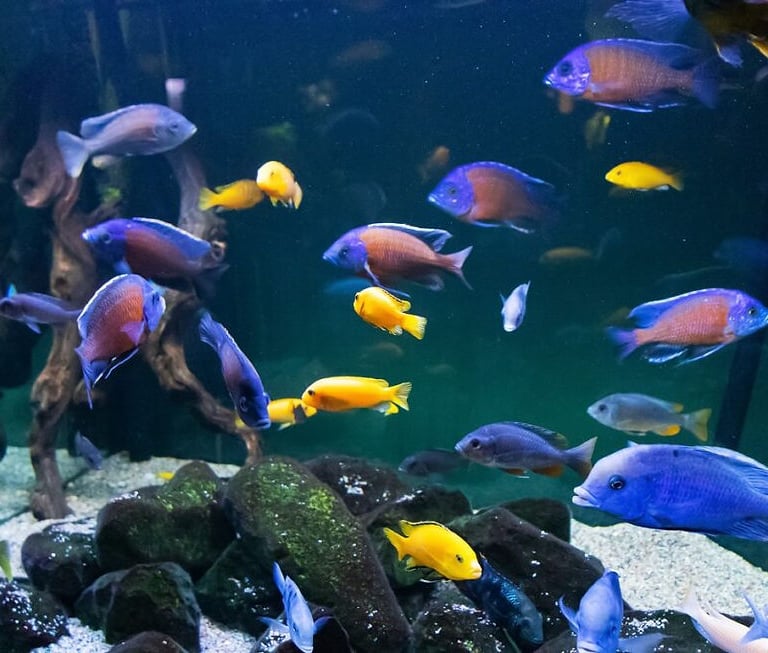
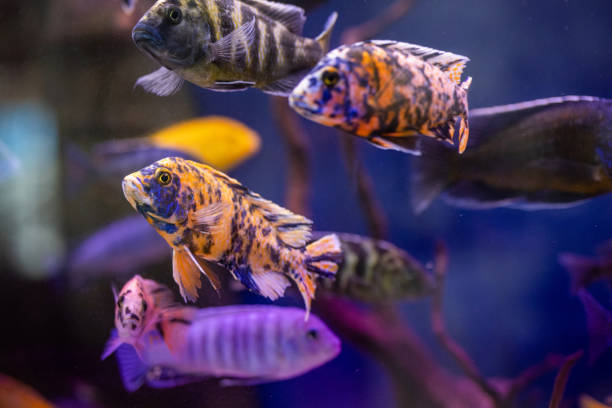
Lake Malawi National Park, a UNESCO World Heritage Site, is home to the world’s most diverse freshwater fish assemblage—the rock‑dwelling cichlids known as Mbuna. These small, colourful fish are both a prized attraction for international ornamental fish traders and a keystone for reef health and ecosystem resilience. Yet they now face mounting threats from unsustainable fishing, habitat disturbance, and weak enforcement. Overfishing of preferred species such as Chambo (Oreochromis spp.), Kampango (Bagrus meridionalis), and Utaka (Copadichromis spp) has shifted pressure onto Mbuna, once avoided due to their size and habitat specificity.
To address this urgent challenge, SAFFACC is seeking funding to undertake research that combines ecological surveys, catch assessments, and governance analysis. This integrated study will examine the impacts of Mbuna exploitation alongside the socioeconomic drivers behind it. The findings will generate actionable insights to inform conservation strategies, strengthen community stewardship, and support policy reform.
By linking science with local governance, SAFFACC aims to safeguard Mbuna populations, enhance the resilience of Lake Malawi’s aquatic ecosystems, and empower communities as custodians of this globally significant natural heritage.